
A slow WordPress website can hurt more than user experience. It can affect search visibility, reduce conversions, increase bounce rates, and make your business look less professional than it really is. If pages take too long to load, visitors often leave before they even engage with your content.
At Click Creek, we provide WordPress speed optimization services for businesses that need a faster, cleaner, and more efficient website. We improve performance by identifying the real causes of slow load times, removing technical bottlenecks, and making targeted changes that support both usability and long-term website health.
Whether your website feels slow on mobile, struggles with Core Web Vitals, or has become bloated over time, we help turn it into a faster and more reliable digital asset.

WordPress speed optimization is not a visual-first service. It is a technical performance service, which means the content should feel more diagnostic, practical, and outcome-focused than a standard website design page.
That is why this page works better with a different structure. Instead of leading with aesthetics, it should lead with performance problems, technical findings, optimization categories, measurable improvements, and a clear process. This makes the content better aligned with how users search for speed help and gives the page a more credible technical feel.
Whether you’re launching a new business, redesigning your website, or looking to generate more leads, our team is here to help. Share your requirements and we’ll provide tailored solutions that align with your business goals.
WordPress speed optimization is the process of improving how quickly and efficiently a WordPress website loads and responds. This involves more than running a speed plugin or compressing a few images. A proper speed optimization service looks at the full performance picture, including hosting, theme setup, plugin usage, scripts, images, caching, database load, page structure, and front-end asset delivery.
The goal is to reduce unnecessary page weight, improve loading behaviour, and create a smoother experience for both users and search engines. A faster site is usually easier to use, easier to trust, and better positioned for SEO and conversion performance.
A lot of websites are slow without the business owner fully realising how much it is affecting results. Sometimes the site still works, but it feels heavy, delayed, or unreliable across devices.
If your homepage, service pages, or blog posts feel slow when opening, the website is already creating friction. Even small delays can reduce engagement and increase drop-offs.
A site may look acceptable on desktop but struggle badly on mobile. Since mobile traffic is a major part of modern website usage, weak mobile speed can affect a large portion of users.
If your site has weak scores for loading performance, layout stability, or responsiveness, it may need deeper technical improvements rather than surface-level fixes.
Over time, many WordPress websites become slower because too many assets are loaded unnecessarily. This can happen through page builders, third-party scripts, oversized images, poor hosting, or plugin bloat.
When people land on a slow page, they are less likely to stay, scroll, enquire, or purchase. A speed issue often becomes a conversion issue as well.
This section is important because it connects directly with the real issues users experience. It also gives the page a more diagnostic format than your design pages.
Some WordPress setups load too much code, styling, and script by default. We identify unnecessary front-end weight and improve how the website delivers assets.
Plugins can add major overhead if they are badly built, outdated, duplicated, or doing work the website does not need. We review plugin usage and clean up avoidable bloat.
Large image files, poor image sizing, and missing compression often slow pages down significantly. We improve media handling so images support the page instead of slowing it down.
Caching can improve speed dramatically when configured properly. If it is missing, poorly configured, or conflicting with other tools, the website may load much slower than it should.
External scripts from tracking tools, chat widgets, fonts, videos, and plugins can add significant delay. We review what is loading and reduce unnecessary requests where possible.
Sometimes the problem is not just the website itself. Hosting quality, server response time, and environment setup also affect performance. We help identify when hosting is part of the problem.
Old revisions, transients, spam data, and background tasks can create unnecessary load over time. Cleaning the database and reducing hidden clutter can help improve stability and responsiveness.
This section acts as the core service breakdown. For this page, it works best as performance pillars rather than generic service bullets.
We start by reviewing the website to identify what is actually slowing it down. This can include page weight, script loading, image issues, plugin overhead, caching gaps, and server response concerns.
We focus on performance areas that affect user experience and search visibility, including loading speed, visual stability, and responsiveness. This helps create a website that feels smoother and more reliable.
We improve image delivery by reducing unnecessary file size, improving dimensions, and making media assets more efficient for web use. This often creates visible gains quickly.
We configure caching, minification, asset loading, and related performance settings where appropriate. The goal is to reduce load time without creating site instability.
Where relevant, we improve the health of the site by reducing hidden clutter, old revisions, expired data, and avoidable database overhead.
We assess how the active theme or page builder affects performance and make adjustments that improve delivery efficiency, reduce excess code load, and support better page rendering.
We review the plugin stack and external scripts to identify avoidable performance drag. Where possible, we reduce or replace unnecessary loading behaviour.
If server limitations are affecting speed, we provide practical guidance on hosting-related improvements. This is important because some performance issues cannot be fully solved from the WordPress dashboard alone.
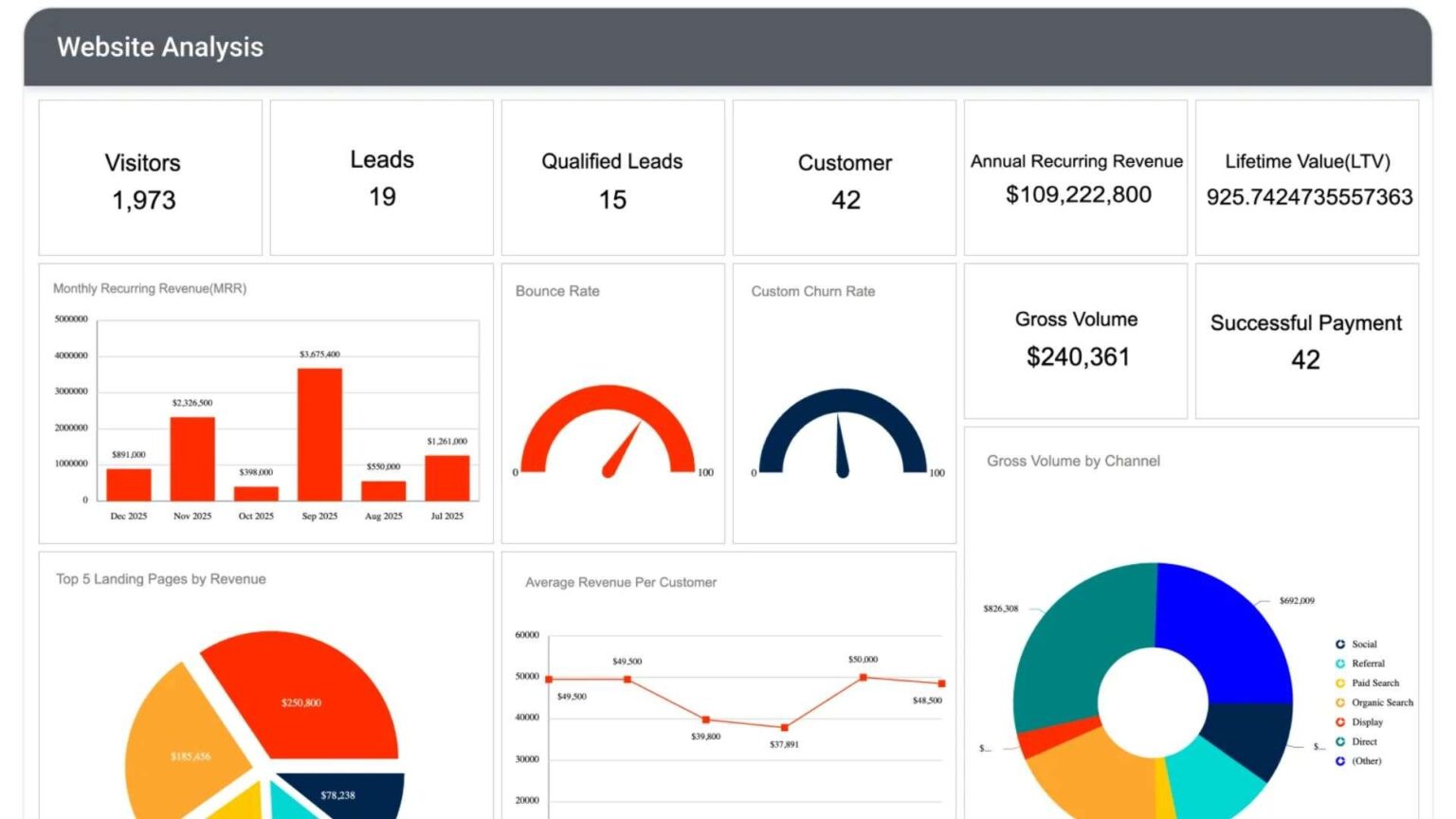


A faster website does not just feel better. It supports several important business outcomes at the same time. A speed-optimized WordPress website can help:
For businesses investing in SEO, paid traffic, or lead generation, speed matters because it affects what happens after the click. If the page is too slow, even good traffic can be wasted.
This section gives the page a more technical feel and helps support semantic breadth around performance-related entities.
We work to reduce how long key pages take to load for real users, especially on mobile devices and slower connections.
We look at the performance signals that affect user experience, such as how quickly the main content loads, how stable the layout feels, and how fast the page responds.
Mobile users often experience the biggest performance issues. We prioritise improvements that make the website feel lighter and more usable on smaller devices.
The way files, scripts, styles, fonts, and images load has a major impact on speed. We improve how these assets are handled to reduce unnecessary drag.
Optimization should not create new problems. We focus on changes that improve performance while keeping the site reliable and manageable.
WordPress speed optimization is especially valuable for businesses that rely on their website for visibility, enquiries, sales, or credibility. It is also a good fit for websites that have grown over time and become slower through added plugins, content, or design layers.
This service is a strong fit for:
If your website feels slower than it should, or if your traffic is not converting as well as expected, performance may be part of the reason.
Because this is a technical service, a process-led section builds more trust than a generic design flow. It also supports the changed page format you wanted.
Step 1
We begin by checking current performance issues and identifying the main bottlenecks. This gives us a realistic starting point before changes are made.
Step 2
We assess the likely causes of slow performance, including scripts, plugin load, images, caching setup, theme overhead, and hosting influence.
Step 3
We apply targeted improvements based on what the website actually needs. This may involve asset optimization, script reduction, caching improvements, media fixes, database cleanup, or front-end adjustments.
Step 4
After optimization, we test again to confirm the improvements and make sure the site remains stable and usable.
Step 5
Where needed, we provide guidance on how to maintain site speed over time, especially if the website continues growing through new pages, plugins, campaigns, or ecommerce functionality.
Many speed services focus only on scores. While scores can be useful, they are not the whole story. A website needs to feel faster for real users, not just look better in one test report.
Our approach is based on practical improvements that support real performance, real usability, and long-term site health. We focus on the issues that are actually slowing the website down instead of applying random plugin-based shortcuts and hoping for the best.
That makes this service more strategic, more stable, and more useful for businesses that want lasting improvements.
Not every WordPress website has the same performance issues. The site setup affects what type of optimization work is needed.
Elementor websites often need extra attention around asset loading, layout structure, and page weight. We help improve performance without losing the flexibility Elementor provides.
WooCommerce sites can be slower because of product data, cart and checkout logic, filters, tracking tools, and user-based functionality. Speed improvements here often support both UX and conversion performance.
Service websites benefit from faster service pages, cleaner hero sections, lighter media handling, and stronger mobile performance. This helps visitors engage more easily with offers and CTAs.
Blogs, resource hubs, and large content sites often need better image handling, caching, and cleaner template performance so the site remains efficient as content grows.
Our best advocates are the businesses we support. We collect short, specific testimonials that speak to our process, communication and results.


WordPress speed optimization is the process of improving how quickly and efficiently a WordPress website loads. It usually involves improving images, scripts, caching, plugin usage, front-end delivery, and other technical performance factors.
A WordPress website can be slow for many reasons, including heavy themes, too many plugins, poor hosting, oversized images, unoptimized scripts, weak caching, or database overhead. The real cause usually needs proper review rather than guesswork.
Speed optimization can support SEO by improving user experience, mobile usability, and website performance foundations. It is not the only SEO factor, but it is an important one.
Yes. Elementor websites can often be improved significantly through cleaner asset handling, layout review, script reduction, and performance-focused optimization.
Yes. Core Web Vitals can often be improved through targeted performance work, especially when the underlying issues are identified clearly.
Not always. Plugins can help in some cases, but real speed improvements usually require a broader review of the website setup, front-end assets, media, scripts, and hosting environment.
Yes. Hosting can have a major impact on performance, especially server response time and overall site stability. Sometimes hosting is one of the key issues limiting speed improvements.
Yes. WooCommerce stores often need speed optimization because ecommerce functionality adds extra complexity through products, scripts, checkout flows, and dynamic content.
That depends on the website size, setup, and the type of issues involved. A smaller website with clear performance issues may be faster to improve than a large site with heavy plugins and complex functionality.
The goal is to improve performance without harming the website experience. In some cases, small adjustments may be recommended if certain design choices are heavily affecting speed, but changes should be made carefully and strategically.
If your website is slow, bloated, or underperforming, improving speed can have a real impact on usability, trust, and conversions. A faster site creates a better experience for visitors and gives your business a stronger digital foundation. Click Creek helps businesses improve WordPress website speed through practical performance work, technical cleanup, and targeted optimization. If your website needs to load faster and work better, we can help.