
An outdated website can hold your business back even if your services, reputation, and team are stronger than ever. If your current site looks old, feels hard to use, loads poorly, or no longer reflects the quality of your business, a modern website redesign can help turn it into a stronger digital asset.
At Click Creek, we redesign websites for businesses that have outgrown their current online presence. We focus on improving the structure, design, usability, messaging, and overall performance of the site so it feels more current, more professional, and more aligned with your business goals.
Whether you need a visual refresh, a complete structural rethink, or a full rebuild of an underperforming website, we create redesigns that are modern, purposeful, and built for long-term growth.
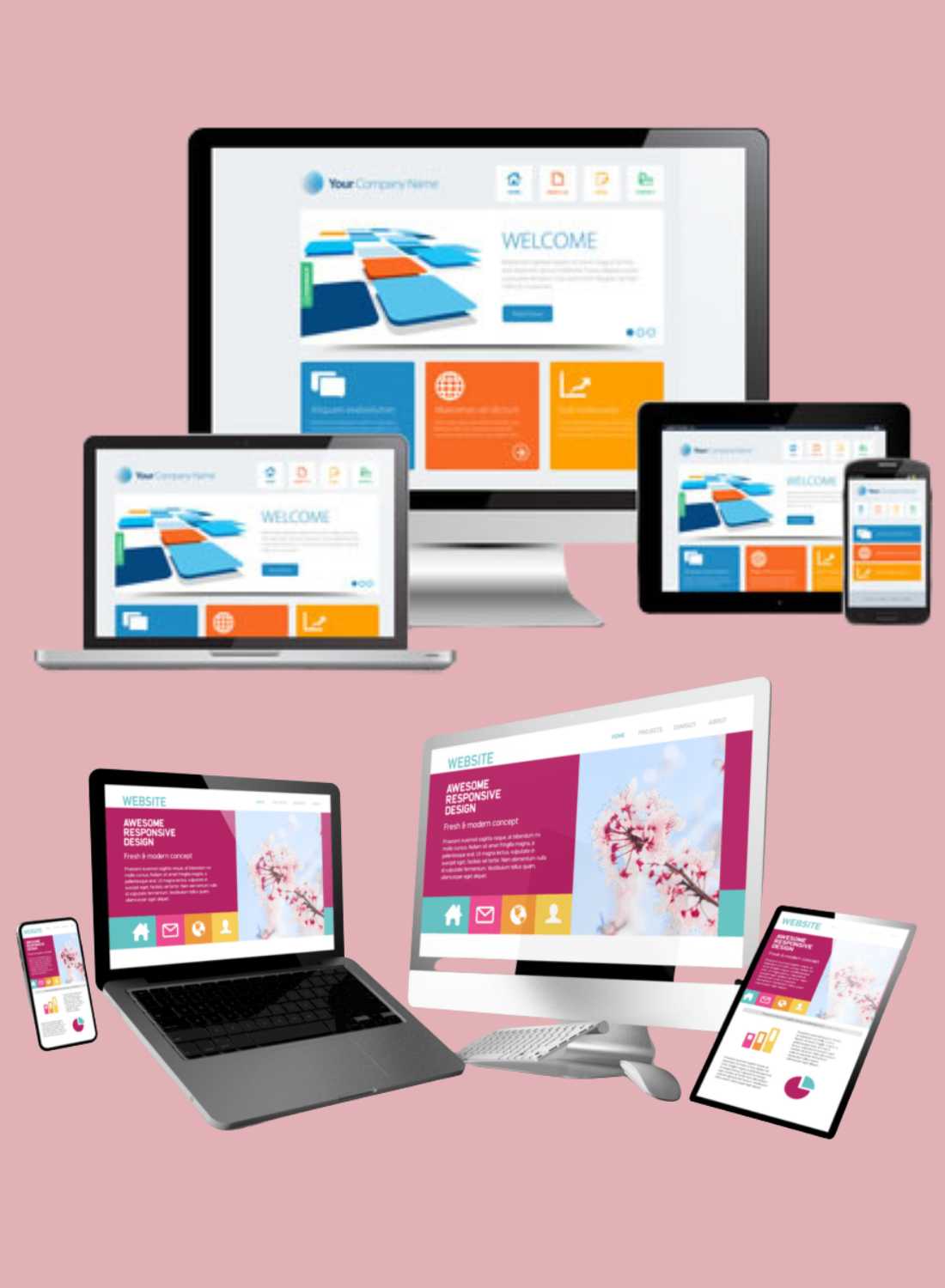
Many businesses reach a point where the website no longer reflects where the company is today. The brand may have evolved, the services may have expanded, and the expectations of users may have changed, but the website still represents an older version of the business.
This creates a gap between the quality of the business and the quality of the online experience. A redesign closes that gap by bringing the website up to date visually, structurally, and strategically. It helps the site communicate more clearly, look more credible, and support the next stage of business growth.
Whether you’re launching a new business, redesigning your website, or looking to generate more leads, our team is here to help. Share your requirements and we’ll provide tailored solutions that align with your business goals.
A redesign should do much more than make the website look newer. If the structure, messaging, and user flow remain weak, a visual refresh alone will not solve the real problem.
A strong modern website redesign improves how users understand the business, how easily they move through the site, how clearly services are presented, and how effectively the website supports enquiries, conversions, and trust. It should also create a stronger foundation for SEO, content growth, and future marketing activity.
This is why we treat redesign projects as strategic rebuilds rather than surface-level style changes.
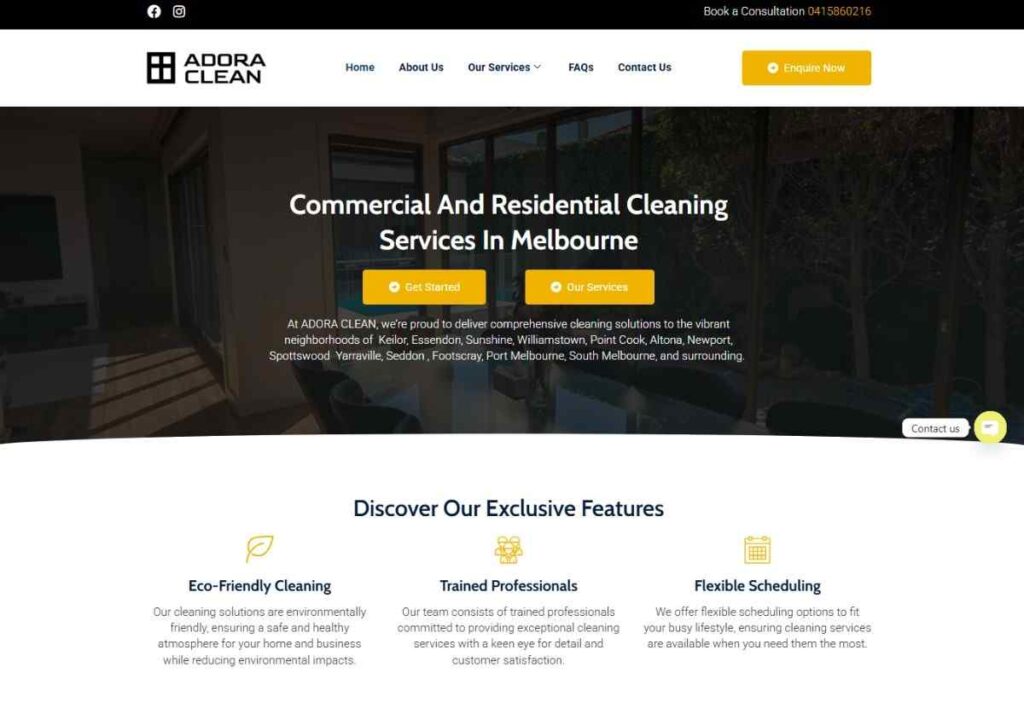
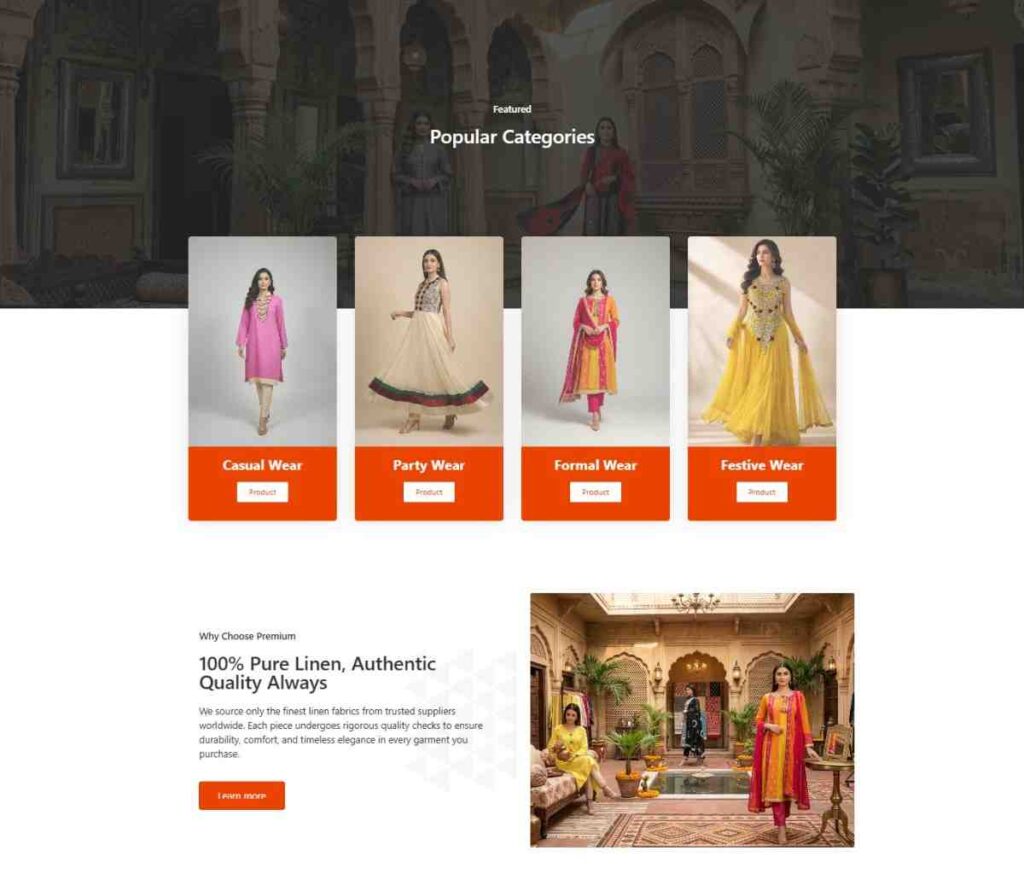
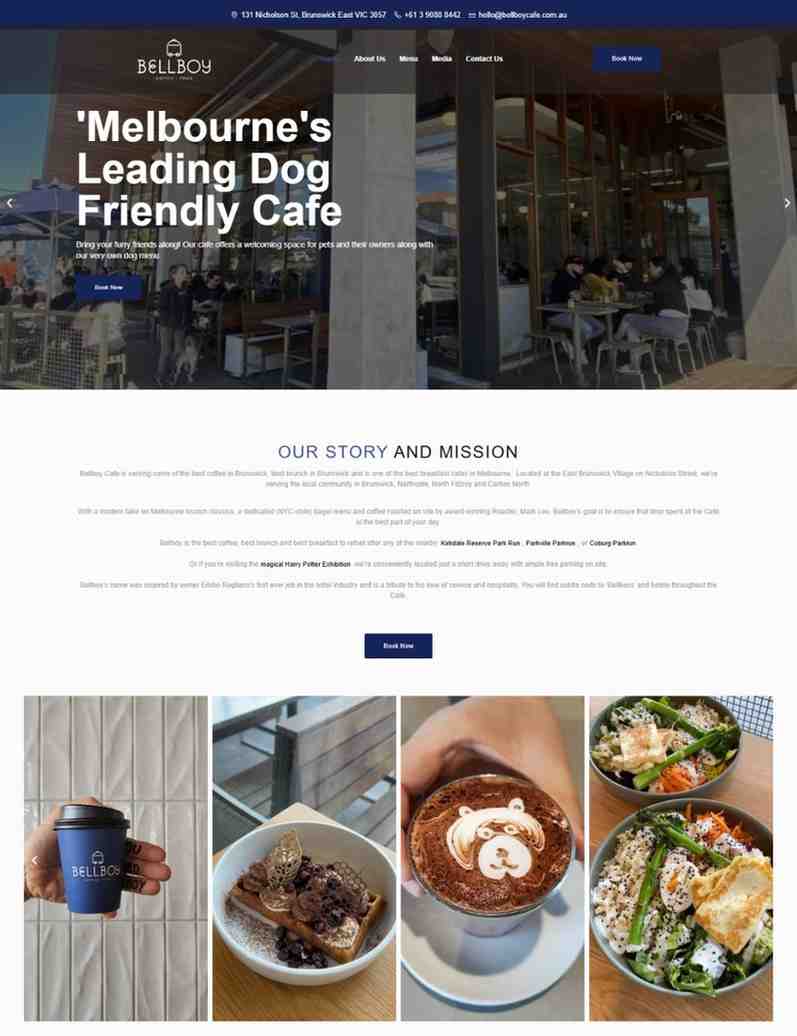
There are usually clear signs that a website is no longer doing its job properly. These issues often show up in both the design and the performance of the site.
If your website feels visually behind the market, it can affect first impressions immediately. Even strong businesses can appear less credible when the website looks old, inconsistent, or no longer aligned with current design standards.
If users struggle to understand what you do, where to click next, or how to contact you, the site is creating friction. A redesign helps improve navigation, page hierarchy, and overall content flow.
Your website should reflect your current brand identity, not an outdated version of your business. If the site no longer matches your tone, positioning, visual style, or quality of service, a redesign becomes necessary.
A site that is awkward, cluttered, or slow on mobile creates a poor experience for a large portion of users. A modern redesign should improve responsiveness and create a more usable mobile experience.
Some websites become limiting because they were not built with future expansion in mind. If it is hard to add new services, improve landing pages, strengthen SEO, or update the site efficiently, the structure may need to be redesigned.
A modern website redesign usually involves several layers of improvement. The exact scope depends on the condition of the current website, but the work often goes beyond visuals alone.
We refresh the visual direction of the website so it feels more modern, polished, and aligned with your brand. This may include layout design, typography, spacing, imagery direction, visual hierarchy, and overall interface quality.
A redesign should help users move through the site more clearly. We improve the way pages are structured so the visitor journey feels more logical and less confusing.
Many redesigns need better service pages because users often decide whether to enquire based on how clearly your offers are explained. We restructure service content so it is easier to understand and more conversion-focused.
The homepage needs to communicate what the business does, who it serves, and why it matters. We improve homepage structure and messaging so the page supports trust, clarity, and action.
Poor navigation often causes good content to be overlooked. We redesign the information architecture so the website is easier to explore and easier to expand over time.
A modern redesign should improve the mobile experience, not just the desktop appearance. We focus on responsive layouts that remain clear and practical across devices.
A website should help users take the next step with confidence. We improve key conversion points so the site supports enquiries, bookings, quote requests, or other target actions more effectively.
A lot of redesign projects begin because the existing website has become a bottleneck. The problems may not always be dramatic, but they reduce the overall effectiveness of the site.
Over time, websites often become visually inconsistent as pages are added without a clear system. We create a stronger design framework so the site feels unified and intentional.
Many older websites rely on templates that make the business look interchangeable with competitors. We redesign the site so it feels more specific to your brand and more aligned with your market position.
Sometimes the biggest redesign issue is not the look of the site but the way it communicates. We help improve how the content is presented so users can understand your services more quickly.
A redesign often needs to address usability behind the scenes as well. We aim to create a cleaner structure so the website is easier to manage after launch.
If the site does not look credible, visitors may leave before engaging with the business properly. A modern redesign strengthens trust by improving presentation, clarity, and professionalism.
We approach website redesign as a structured improvement project rather than a cosmetic refresh. The work is shaped around what the current site is failing to do and what the new site needs to achieve instead.
We start by reviewing the current website to identify weaknesses in design, structure, usability, content, and overall presentation. This creates a clearer roadmap for what needs to be improved.
A redesign often requires changes to how pages are organised, connected, and prioritised. We refine the site architecture so the content feels more logical for both users and search engines.
We redesign the site with a cleaner and more contemporary visual style that reflects the current quality of your brand and improves overall usability.
A strong redesign needs content and design to work together. We shape layouts around messaging, service clarity, trust signals, and calls to action so the pages support real business goals.
Where needed, we rebuild the website using a better structure and more modern setup so the redesign is not just visual but functional and scalable.
We improve the way the website guides users toward action by strengthening CTA placement, page flow, trust sections, and enquiry opportunities.
A successful redesign should feel like a meaningful upgrade, not just a different colour palette. When done properly, the website becomes easier to use, easier to trust, and more supportive of business growth.
It should deliver a stronger visual identity, clearer page structure, improved mobile usability, better service communication, and a more credible digital presence overall. It should also give your business a site that is more adaptable for future content, campaigns, and SEO expansion.
The goal is not simply to relaunch the website. The goal is to launch a better version of your digital presence.
A redesign works best when the process is clear from the beginning. This helps avoid random changes and keeps the project focused on solving the right problems.
We begin by understanding what is and is not working in the current site. This includes design, structure, content flow, user experience, mobile performance, and strategic alignment.
We identify what the new website needs to improve. This may include better branding, stronger service pages, improved usability, clearer messaging, or a more modern visual direction.
We map out the page architecture, user pathways, and content hierarchy so the redesign has a stronger foundation than the old site.
We create the new visual direction and page layouts based on your brand, positioning, and business goals. This stage gives the redesign its modern and strategic feel.
Once the redesign direction is approved, the updated website is implemented, refined, tested, and prepared for launch with attention to responsiveness and usability.
After launch, the redesigned site should be ready to support future landing pages, service expansions, SEO content, and other digital growth activity.
A redesign should create measurable business value, not just visual improvement. That is why we focus on the outcomes the new website needs to support.
A modern site helps visitors feel more confident in your business from the moment they arrive. This improves credibility and makes the brand feel more established.
When the structure is improved, users can move through the site more easily. That makes it easier for them to understand services and take the next step.
Your website should reflect your current brand identity, not an outdated version of your business. If the site no longer matches your tone, positioning, visual style, or quality of service, a redesign becomes necessary.
A more modern responsive design helps users engage more easily on smaller devices, where poor experiences often lead to drop-offs.
A redesign that improves page hierarchy, internal linking opportunities, and service structure creates a better long-term platform for organic growth.
Not every redesign project starts from the same problem. Some businesses need a full rebuild, while others need a more strategic refresh of an underperforming site.
If the website no longer reflects the quality of the services offered, a redesign helps modernise the presentation and improve how the offer is communicated.
When branding evolves, the website needs to follow. A redesign helps align the digital presence with the updated brand identity.
If users struggle to navigate the site on mobile, a redesign can improve responsiveness, readability, and mobile conversion flow.
Some websites need redesign work because the pages do not help users take action. Restructuring key pages can improve clarity and enquiry performance.
If the current site lacks a clear structure for service pages, content clusters, or internal linking, a redesign can create a better framework for future SEO expansion.
Businesses choose Click Creek because we treat redesign as a strategic improvement project, not just a visual makeover. We look at how the website should function, how it should communicate, and how it should support the next stage of growth.
Our approach combines design clarity, content structure, business relevance, and long-term usability. That means the redesigned website is not only more modern but also more useful, more scalable, and more aligned with your wider digital goals.
For businesses that want a redesign with substance behind it, that difference matters.
If your current website feels outdated, underwhelming, or misaligned with your business, a modern website redesign can help you move forward with a stronger digital presence. Instead of patching an old site that no longer fits, you can invest in a website that looks better, communicates more clearly, and supports the next stage of your growth.
Click Creek helps businesses redesign websites with a focus on clarity, usability, branding, and performance. If you are ready to improve how your business shows up online, we can help.
Discover how we turn ideas into purposeful digital experiences through website design, development, branding and SEO solutions tailored to each client’s goals.


WordPress
A wedding website showcasing beautiful celebrations, planning services, photography, and memorable experiences.

WordPress
A technology website showcasing advanced magnetic field sensing solutions and innovative applications.

WordPress
A community-focused website promoting connection, support, personal development, and meaningful social impact.
Our best advocates are the businesses we support. We collect short, specific testimonials that speak to our process, communication and results.


This section helps answer common pre-sale questions and adds useful semantic depth to the page.
A modern website redesign is the process of improving an existing website so it better reflects current design standards, user expectations, brand identity, and business goals. It usually involves updating the design, structure, content flow, and usability of the site.
If your website looks outdated, feels difficult to use, performs poorly on mobile, or no longer represents your business properly, a redesign is usually worth considering.
Not always. Some redesigns are structured refreshes of the current site, while others involve a much deeper rebuild. The right approach depends on how well the existing site is performing and how much needs to change.
Yes, a redesign can improve conversions when it strengthens page clarity, user flow, trust signals, and calls to action. Better structure often leads to better performance.
Yes, if the redesign improves site structure, content organisation, internal linking, mobile usability, and overall page quality, it can create a stronger SEO foundation.
Yes, WordPress websites can be redesigned to improve layout, responsiveness, usability, and content structure. In many cases, WordPress is a strong platform for redesign work because it supports flexibility and future expansion.
That is the goal. A strong redesign should improve the front-end experience while also making the website easier to manage and grow over time.
Get in touch to discuss your website redesign project, request a quote, or book a planning call to explore what the next version of your website should look like.
Offer a short form and a low-friction path.